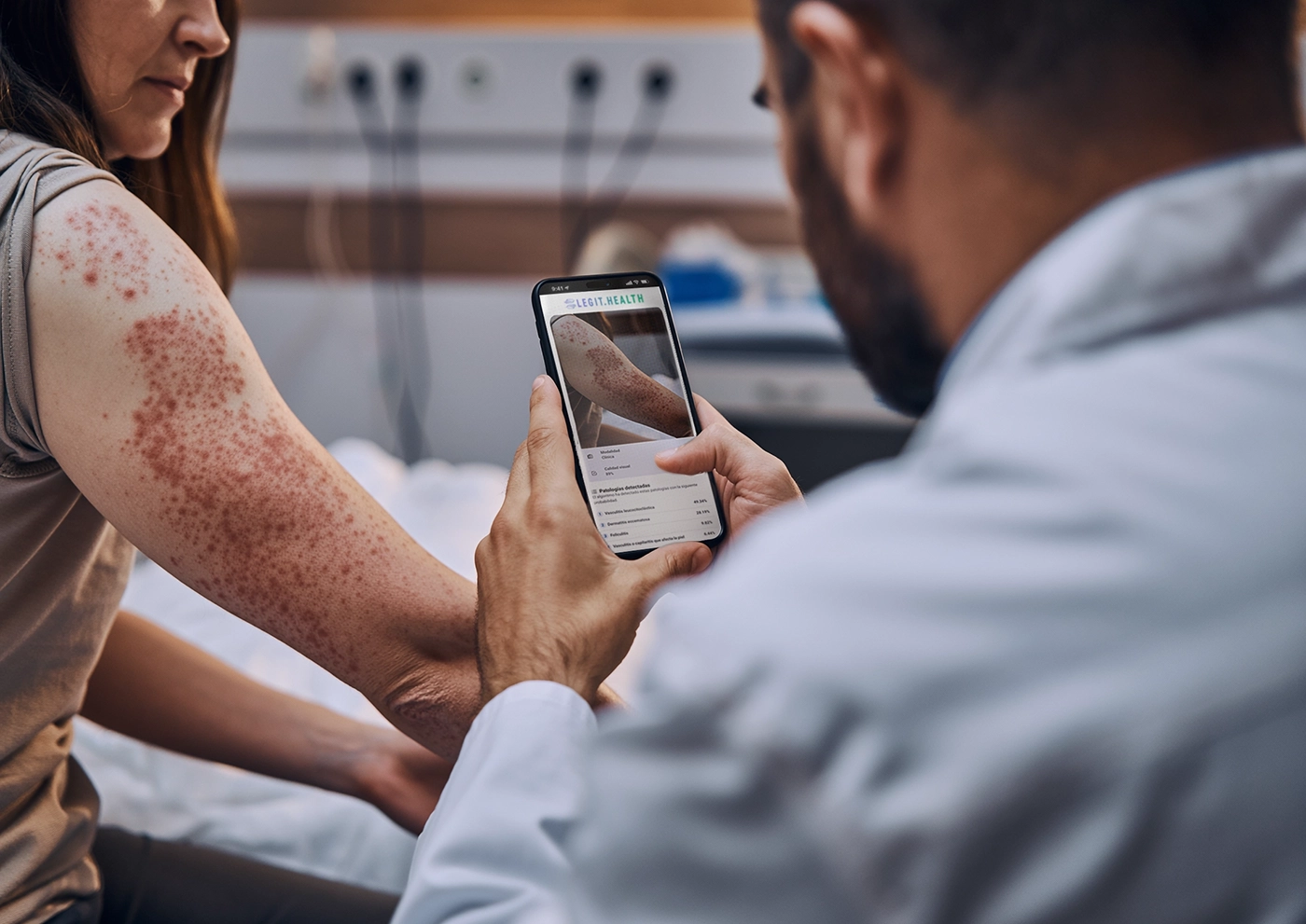
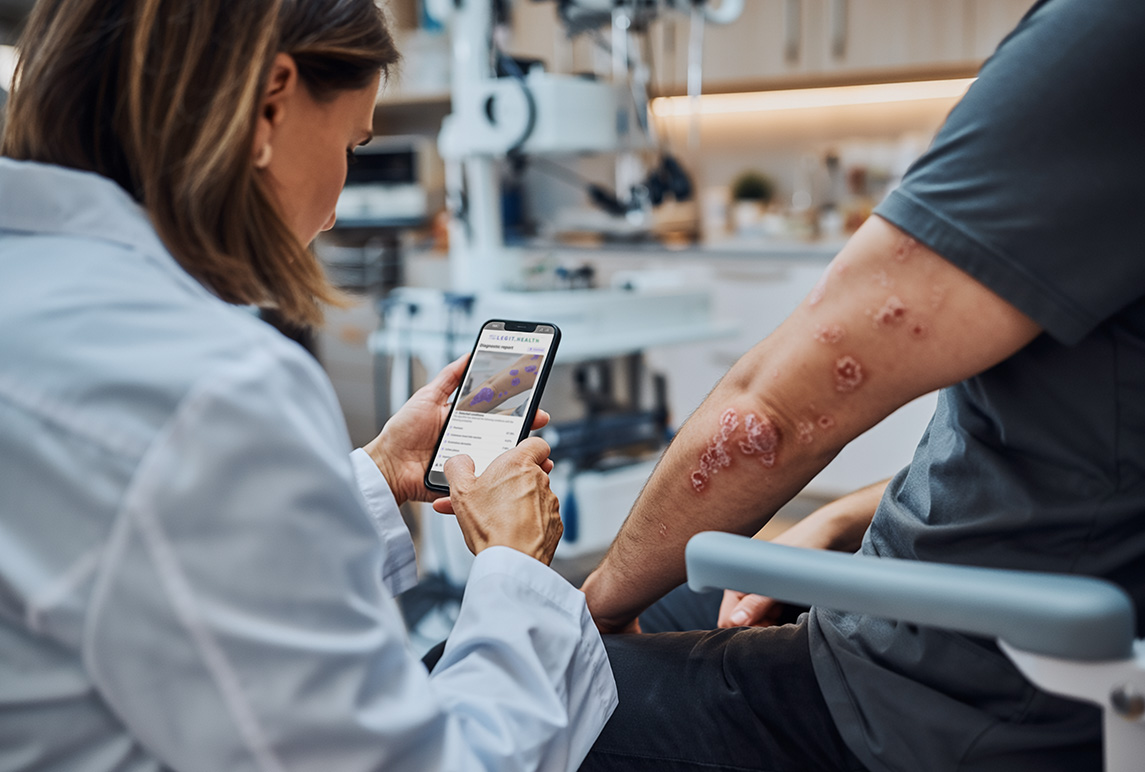
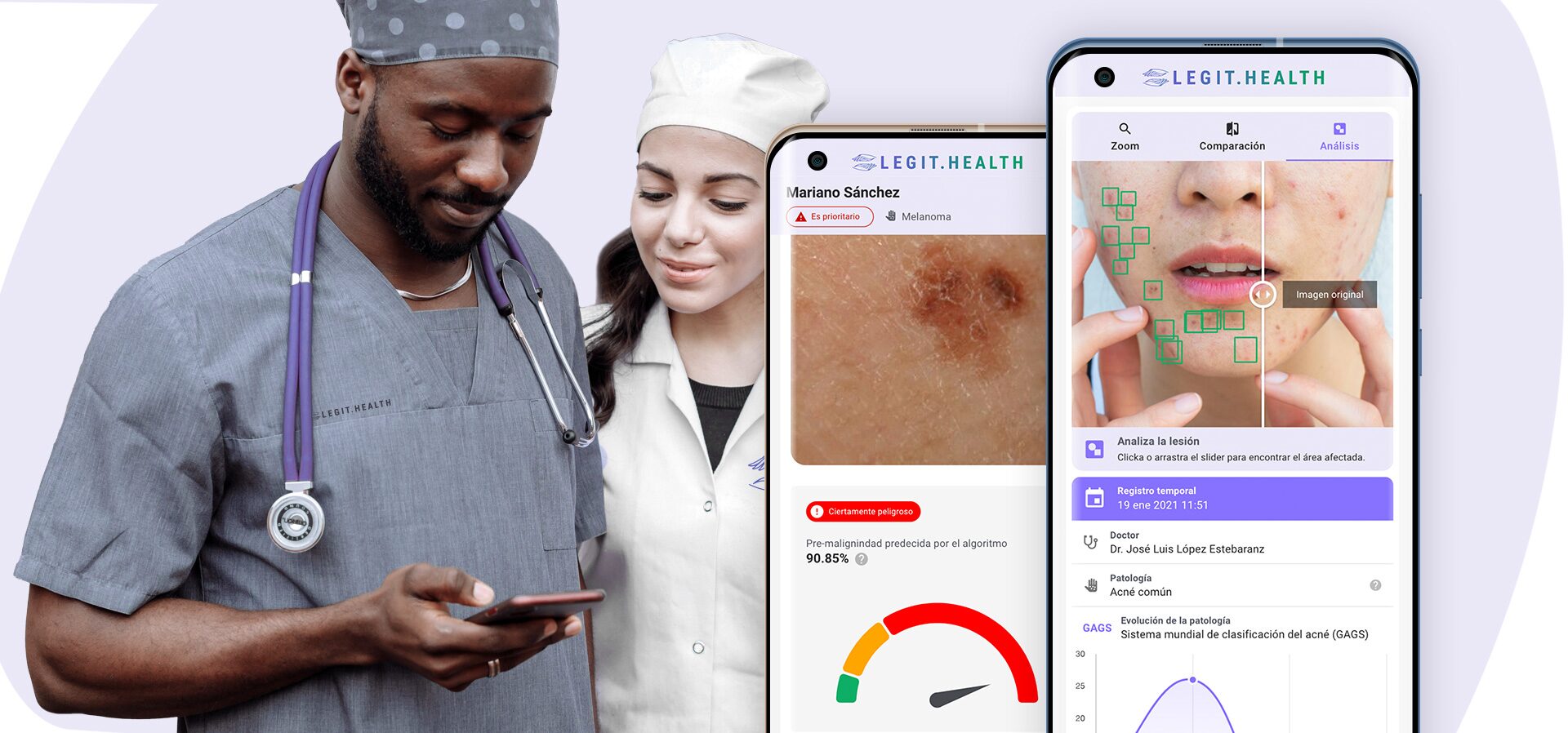
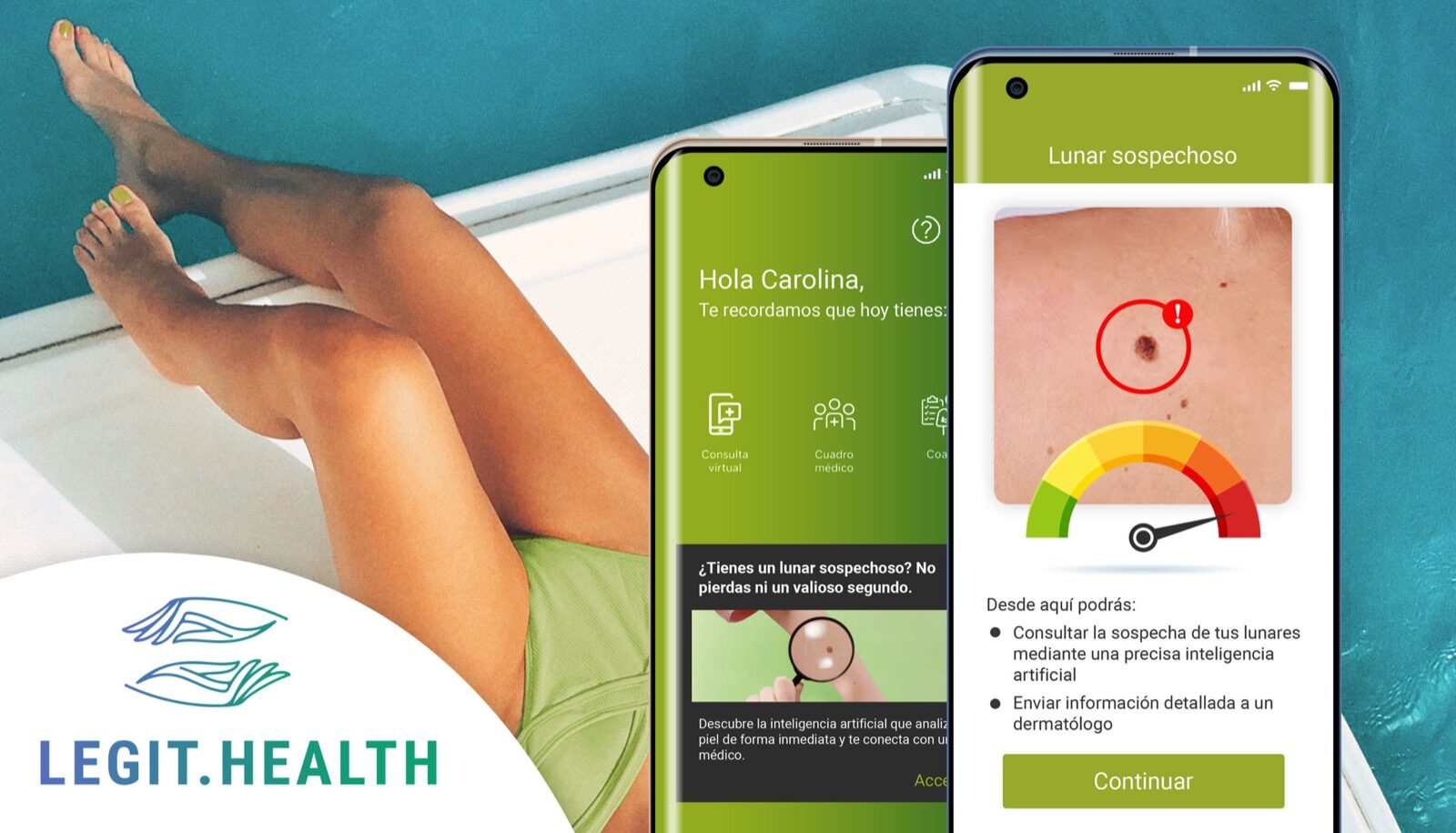
A clinician reviewing a case on the Legit.Health interface.
In a small town in the interior of the Northeast, a primary-care physician suspects melanoma in a 62-year-old patient. She writes a referral. The referral describes the lesion in words: there is no standardised photograph, no objective severity measurement, no structured baseline. The patient joins the queue. The queue moves at the speed of a continent: before telemedicine programmes began to compress it, the average wait for a dermatology appointment in the SUS reached 294 days. [^1]
Skin cancer does not wait 294 days.
This is the access deficit that defines Brazilian dermatology today, and it is a different deficit from the one other countries face. Brazil is a continental country with a dual health system, and the dermatology bottleneck is not one queue: it is two parallel queues, both under pressure, each for slightly different reasons. A clinically validated layer of artificial intelligence (AI) that covers the full spectrum of dermatology (skin cancer, chronic disease and longitudinal follow-up) and is certified by ANVISA, with CE marking and MHRA registration, is the missing piece in both queues.
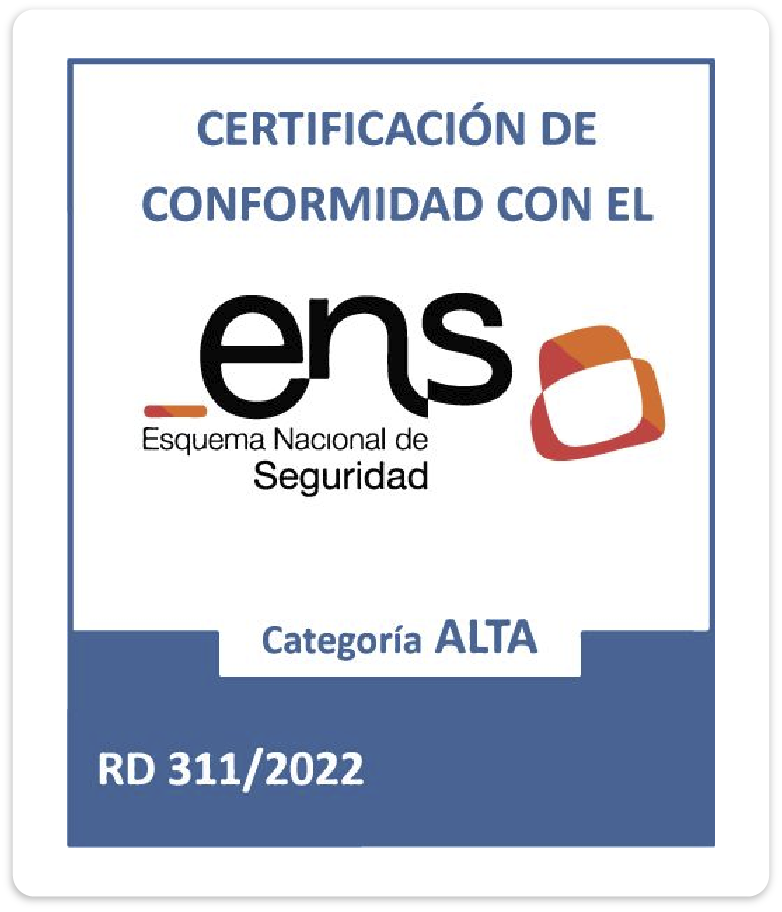
Legit.Health has obtained the Certificate of Conformity with the Spanish National Security Framework (Esquema Nacional de Seguridad, ENS), a milestone that reinforces the company's work as a trusted technology provider for the public healthcare system and consolidates information security as a central pillar of our diagnostic support, severity scoring and malignancy detection services for dermatology.
Certificate of Conformity with the Spanish National Security Framework (ENS).
We are excited to announce that Legit.Health will be attending the 53rd National Congress of Dermatology and Venereology (AEDV 2026), taking place from May 20 to 23, 2026, at the Centro de Convenciones ExpoMeloneras in Maspalomas, Gran Canaria. Five members of our team will take the stage to present the latest advances in artificial intelligence applied to dermatology — from automated image quality assessment to AI-powered reduction of waiting lists.
You can find us at stand 4-5, right next to the AEDV Podcast Zone. Come say hello, request a live demo of our platform, and meet the team behind the technology.
A clinician reviewing a case on the Legit.Health interface.
Skin disease accounts for around 24% of consultations with general practitioners (GPs) in the United Kingdom. [^1] Across England alone, that translates to roughly 13 million skin-related primary-care attendances every year. [^2] On any given week, a meaningful share of every GP's caseload involves a rash, a lesion, an itch, a flare or a follow-up question about a long-running condition such as eczema, psoriasis, acne or hidradenitis suppurativa.
Skin cancer dominates the conversation about dermatology because it is urgent and time-sensitive. But it is not what most patients walk in with. Across published UK and international studies, malignant skin conditions account for only around 5% of the dermatology cases seen in primary care; the other 95% are inflammatory, infectious, autoimmune or follow-up presentations. See our analysis of dermatology case-mix. The pathway has to work for both ends of that spectrum, not just the urgent slice.
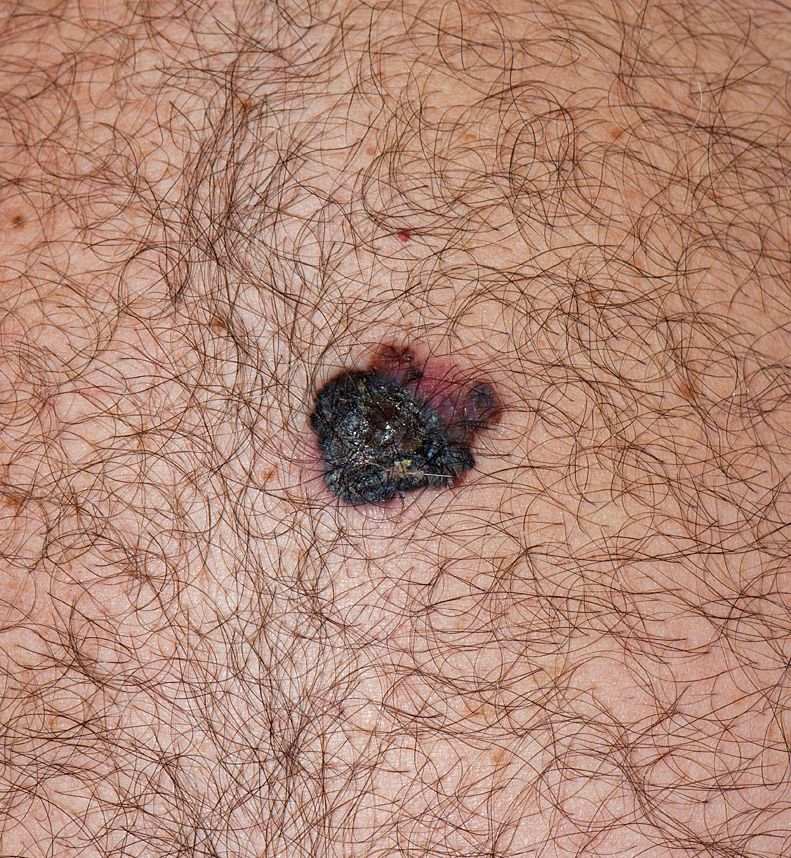
Diagnosis support across the spectrum, from suspected skin cancer to a common bacterial infection, looks like this:
Detected conditions (Top-5)
Cutaneous melanoma47.7%
Basal cell carcinoma1.24%
Intraepidermal squamous cell carcinoma0.41%
Lymphatic malformation0.36%
Plane warts0.36%
Cutaneous melanoma
Basal cell carcinoma
Intraepidermal squamous cell carcinoma
Lymphatic malformation
Plane warts
Other
Probability
0102030405060708090100
Example output of a report generated by Legit.Health
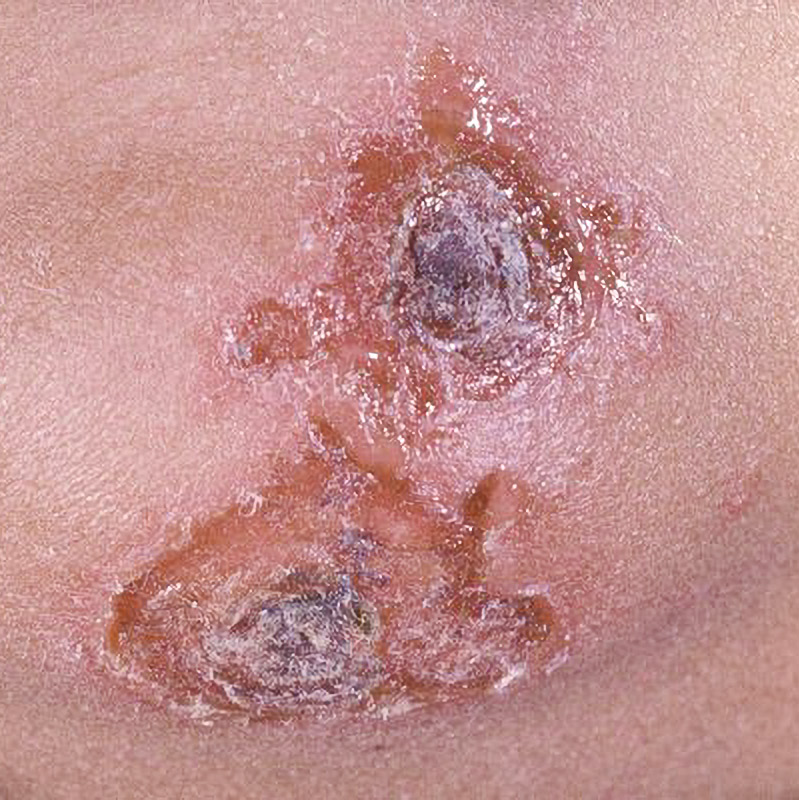
Detected conditions (Top-5)
Impetigo77.53%
Cutaneous leishmaniasis1.95%
Bullous impetigo1.03%
Furuncle0.59%
Tinea faciei0.48%
Impetigo
Cutaneous leishmaniasis
Bullous impetigo
Furuncle
Tinea faciei
Other
Probability
0102030405060708090100
Example output of a report generated by Legit.Health
The mix matters. Suspected skin cancer is the most urgent slice of dermatology, but it is far from the largest. The bulk of what GPs see is chronic, inflammatory or infectious skin disease, and most of those cases never need a hospital outpatient slot.
Yet for many of those patients, the next step in the pathway is a long wait. NHS England's Referral to Treatment (RTT) data place dermatology among the longest waiting specialties in the country. [^3] In parts of England, the median wait for a first dermatology appointment is 17 weeks, and people referred urgently on the suspected-skin-cancer 2-week-wait (2WW) pathway sit in one of the largest 2WW cohorts in the system. [^4]
The shape of the problem is not a single bottleneck. It is a structural mismatch between rising demand and a finite specialist workforce, made worse by a primary-to-secondary handover that was not designed for the volume or the visual nature of dermatology.
In the race to bring new dermatology treatments to market, every week counts. Clinical trial sponsors face the critical challenge of accelerating timelines while enhancing data quality for regulatory submissions.
Whether you're a pharmaceutical company, biotech, or CRO, Legit.Health's AI-powered platform delivers what matters most: faster database lock, 15% increase in data completeness, and regulatory-grade data quality with increased inter-rater reliability.
A few years ago, we wrote a blog post in which explained 7 ways our AI technology improves dermatology clinical trials. Since then, we have learned a lot from working with pharmaceutical companies, biotechs, and CROs worldwide. Thus, we decided to update you with a new version.
Here are the 7 ways Legit.Health accelerates your dermatology clinical trials
This is a strategic overview for clinical operations, biostatistics, medical affairs, and executive stakeholders, demonstrating how AI technology directly accelerates your path to market while strengthening your regulatory submission package.
Legit.Health presents a significant advancement in dermatological assessment technology: the APASI (Automatic Psoriasis Area and Severity Index) system. This solution uses artificial intelligence to analyze clinical images and automatically calculate standardized PASI scores, advancing how psoriasis severity is evaluated in clinical practice and research.
Using computer vision algorithms, our researchers have created a tool that processes smartphone images and automatically translates them into the domain of the PASI, providing objective, rapid, and precise evaluations that complement traditional clinical assessment methods.
We are thrilled to share that Legit.Health will join the European Academy of Dermatology and Venereology (EADV) Congress 2025 in Paris, from September 17–20.
During the event, we will present four scientific posters showcasing how clinically validated Artificial Intelligence is transforming dermatology into a more objective, efficient, and patient-centered discipline.
Our work demonstrates how AI can reduce variability, save time in consultations, and bring objective endpoints both to clinical practice and research.
Dermatology encompasses a broad spectrum of diseases, yet there remains a disproportionate focus on malignant conditions such as melanoma and non-melanoma skin cancers. This narrow approach overlooks the significant global burden of other dermatological conditions, which vastly outnumber malignant diseases.
Melanoma is a very important disease to consider. No one is denying that. It is a malignant disease with a high mortality rate. However, understanding the actual prevalence of dermatological conditions is crucial.
The purpose of this report is to evaluate the suitability of two Samsung smartphone models, A16 and A05S, for teledermatology applications, focusing on their ability to capture high-quality images of skin lesions with ease and reliability.
Both models meet the technical requirements for teledermatology, but the Galaxy A16 is better for dermatological lesion imaging.
The real-world test did not reveal significant differences, but according to the manufacturer, the A16 has a slightly better camera, more powerful processor, better display, and longer software support.
However, both are far behind the iPhone 16 Pro, which is approximately 8 times more expensive but offers superior camera quality and overall performance.
We are pleased to announce that Legit.Health will be attending the 52nd National Congress of Dermatology and Venereology (AEDV), which will take place from May 7 to 10, 2025, in Valencia, Spain. This is a fantastic opportunity to learn firsthand how our artificial intelligence and computer vision solutions are transforming the diagnosis and management of skin conditions.
We are thrilled to announce that Legit.Health has officially earned the ISO 13485 certification, marking a significant milestone in our journey toward excellence in the medical devices industry. This achievement is not just a testament to our commitment to quality and safety but also a reflection of our dedication to adhering to the highest international standards.
The future of measuring hidradenitis suppurativa is here thanks to Legit.Health's advanced AIHS4 (Automatic, International Hidradenitis Suppurativa Severity Scoring System). The researchers have developed a tool that processes smartphone images and automatically analyses them using the same criteria as the IHS4.
Dermatology has taken a giant leap forward with the introduction of Legit.Health's innovative ALEGI (Acne LEsion Grading Index). Leading researchers specializing in deep learning and neural networks have collaborated with renowned dermatologists to create this advanced algorithmic tool, designed to empower the next generation of medical professionals. This solution integrates advanced technology with expert medical insights, offering a robust platform for dermatological assessment and treatment planning.
It's widely known that objective, reliable, and precise outcome measures are key to the practice of evidence-based medicine. In the case of acne, is especially hard and tedious to apply the most accepted scoring systems, as they require the doctor to count lesions manually.
That's why Legit.Health has developed this tool that counts the number and density of acne lesions. Thanks to this, measuring the severity of acne is a task that only takes seconds.
The following screen capture of the Legit.Health tool shows a real-life use of the scoring system for acne. This can be used both on mobile and desktop.
Clinical trials are the engine that pushes forward medical science. What comes out as obvious is that the tools at the disposal of those at the forefront of progress should be as advanced and cutting-edge as the research that is been worked on.
The research that will propel us to the future shouldn't take place using tools of the past, especially if there are new tools that increase the reliability of outcome measures.
Legit.Health takes up the challenge of providing researchers with a modern, useful and reliable tool for their clinical trials by incorporating deep learning algorithms and image analysis technology into an easy-to-use and well-designed interface.
Clip extracted from the event IOT Solutions World Congress organised at Barcelona on Feb 12,
2023.
The future of measuring urticaria is now within hands reach. Measuring the score of urticaria and hives is easier and more reliable than ever thanks to Legit.Health's advanced AUAS (Automatic Urticaria Activity Score). The researchers have developed a tool that processes smartphone images and automatically analyses them using the same criteria as the UAS7.
Is widely known that objective, reliable, and precise outcome measures are key to the practice of evidence-based medicine. The UAS7 has proven to have the best measurement properties and is the most recommended for use in clinical trials when considering urticaria.
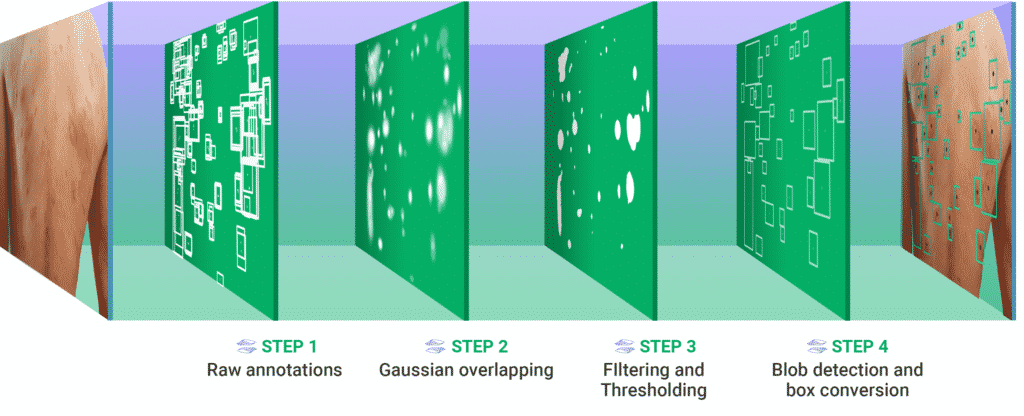
Explanation of how the artificial intelligence identifies hives in urticaria
images.
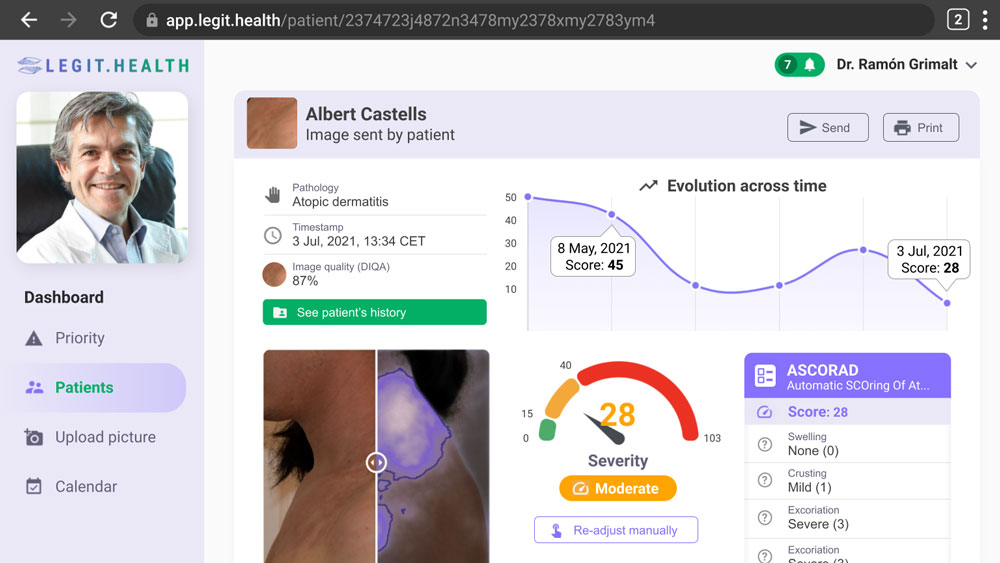
Legit.Health proudly introduces a significant advancement in dermatological assessments: the ASCORAD (Automatic SCORing Atopic Dermatitis) system. This innovative tool leverages advanced computer vision algorithms to analyze images captured by smartphones and automatically align them with the SCORAD scoring system.
The ASCORAD has been recognized and validated in multiple scientific publications. A comprehensive systematic review published in Artificial Intelligence in Medicine highlights ASCORAD's superior performance:
(...) very promising is the attempt to arrive at an automatic definition of AD severity by using CNNs (...) to achieve a scoring accuracy of erythema, papulation, excoriation, and lichenification severity comparable to that of dermatologists (...). Computational applicative advances in this direction have led to the more recent design of Automatic SCORing Atopic Dermatitis (ASCORAD).
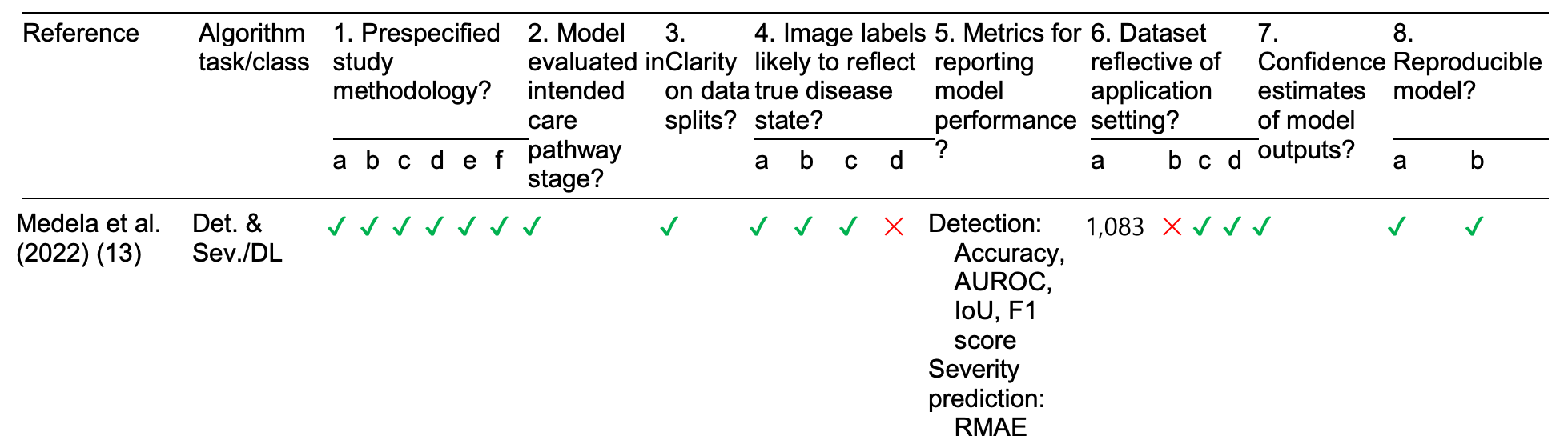
Furthermore, in a comprehensive systematic review published in Artificial Intelligence in Medicine analyzing AI-powered tools for eczema assessment, ASCORAD stands out among all evaluated systems and demonstrated superior performance metrics, being one of the few solutions that successfully combines both eczema area detection and severity prediction in an integrated approach.:
Overview of the quality of existing AI-powered eczema area detection and severity prediction studies.
Indeed, objective, reliable, and precise measurement tools are foundational to evidence-based healthcare. The integration of ASCORAD into Legit.Health's suite of tools represents a paradigm shift in how atopic dermatitis is evaluated and managed. By automating the SCORAD process, ASCORAD not only enhances the accuracy and reliability of assessments but also streamlines the workflow for healthcare professionals, setting a new standard for dermatological care.
Legit.Health has been clinically validated in various healthcare settings by leading specialists in their fields. Our technology has demonstrated its effectiveness in enhancing diagnosis and follow-up, with specific studies focused on certain pathologies to assess sensitivity and precision.
Several of these studies are published in prestigious journals within dermatology, with others in varying stages of publication. Furthermore, we also provide clinical evidence during the process of certification as a medical device, some of which have not been made publicly available.
You can find a full list of our scientific evidence in the Validation section of our website.
The following Gantt chart shows the roadmap of our clinical validation activities. Our commitment to advancing the state of the art motivates us to continuously expand our research.
At Legit.Health, we understand that receiving an unexpected email about a new account can be confusing and potentially alarming. This post is designed to clarify what it means when you receive a notification that an account has been created for you by your healthcare provider using our platform.
In the healthcare sector, a silent but pervasive challenge impacts the well-being of those at the frontline of patient care. This challenge is doctor burnout, a state of physical, emotional, and mental exhaustion caused by prolonged stress in the medical profession. The repercussions of doctor burnout extend beyond the healthcare providers; they also affect the quality of care received by patients.
At Legit.Health, we recognize the critical importance of supporting healthcare professionals. Our dedication to enhancing the lives of doctors and patients is reflected in our advanced artificial intelligence technology. Designed to streamline clinical workflows, our AI tools aim to alleviate the daily pressures faced by physicians, promoting a more sustainable work environment and better patient outcomes.
Scoring systems are the unsung heroes of day-to-day dermatological practice. Disliked by many for the additional work they can bring to the table, they help train the clinical eye, bring a more evidence-based approach to the clinical practice and provide valuable endpoints in research.
Have you ever wondered how to deal with reimbursement when using Legit.Health? Let's explore why the act performed by our artificial intelligence is a reimbursable medical act.
Yes, every time a patient sends a photo of their disease, and Legit.Health's artificial intelligence finds a disease or measures its severity, this constitutes a medical act, as defined in HL7's FHIR standard and the Medical Code of Ethics of most countries.
This post is a summary of a scientific publication published in the Journal of Investigative Dermatology (JID) Innovations. We encourage you to read the whole publication, which is embedded below.
We invite you to read the full paper for yourself, or you can scroll down to read the summary in this educational blog post.
Mac Carthy, T., Hernández Montilla, I., Aguilar, A., García Castro, R., González Pérez, A. M.,
Vilas Sueiro, A., Vergara de la Campa, L., Alfageme, F., & Medela, A. (2024). Automatic
Urticaria Activity Score: Deep Learning-Based Automatic Hive Counting for Urticaria Severity
Assessment. In JID Innovations (Vol. 4, Issue 1, p. 100218). Elsevier BV.
https://doi.org/10.1016/j.xjidi.2023.100218
The Edison Accelerator provides world-class business and technical guidance to EMEA startups.
MADRID, June 2021 - Five healthcare technology startups have officially upgraded into the first cohort of the Edison Accelerator in EMEA, a healthcare scale-up acceleration program designed by GE Healthcare in partnership with the innovation organization Wayra UK, Telefónica start-up accelerator.
The real toll of a sanction for infringing the GDPR is magnitudes bigger than the mere financial cost, as it also affects the image of the company and erodes the trust that patients and employees have in the company.
In 2020, the healthcare provider Ribera Salud and Legit.Health started working together in one of the group's hospitals, the Torrejón Hospital, to implement the advanced algorithmic technology that, 2 years later, has shown excellent results thanks to the amazing job done by the doctors.
The pandemic could be a blessing in disguise, as it forced the teams to truly push the possibilities of remote care to new heights. In this particular case, the team at Torrejón Hospital needed to follow up on the patient's treatment but could not ensure all of them could go to the medical centre due to COVID-19.
Watch Dr Elena Sanchez Largo's presentation: Artificial Intelligence for Remote Monitoring of Patients With Skin Conditions, where she lays out an overview of how the hospital uses Legit.Health's solution.
At Legit.Health, our commitment to patients' wellbeing, both physical and psychological, takes us beyond focusing only on product features and algorithm performance. We know that our users are real people with real problems that are trusting us and their doctors, so we can help them overcome a disruptive condition.
This is why we want to outline the ways in which we are trying to improve the life quality of our users.
Figuring out you have a skin condition can be a troublesome and stressful event, especially in the cases of diseases that are not well known by the population. The uncertainty of what might be happening to you adds up to the endless calls, visits to the doctor and tests that make the experience miserable even before you can learn what's exactly happening to your body.
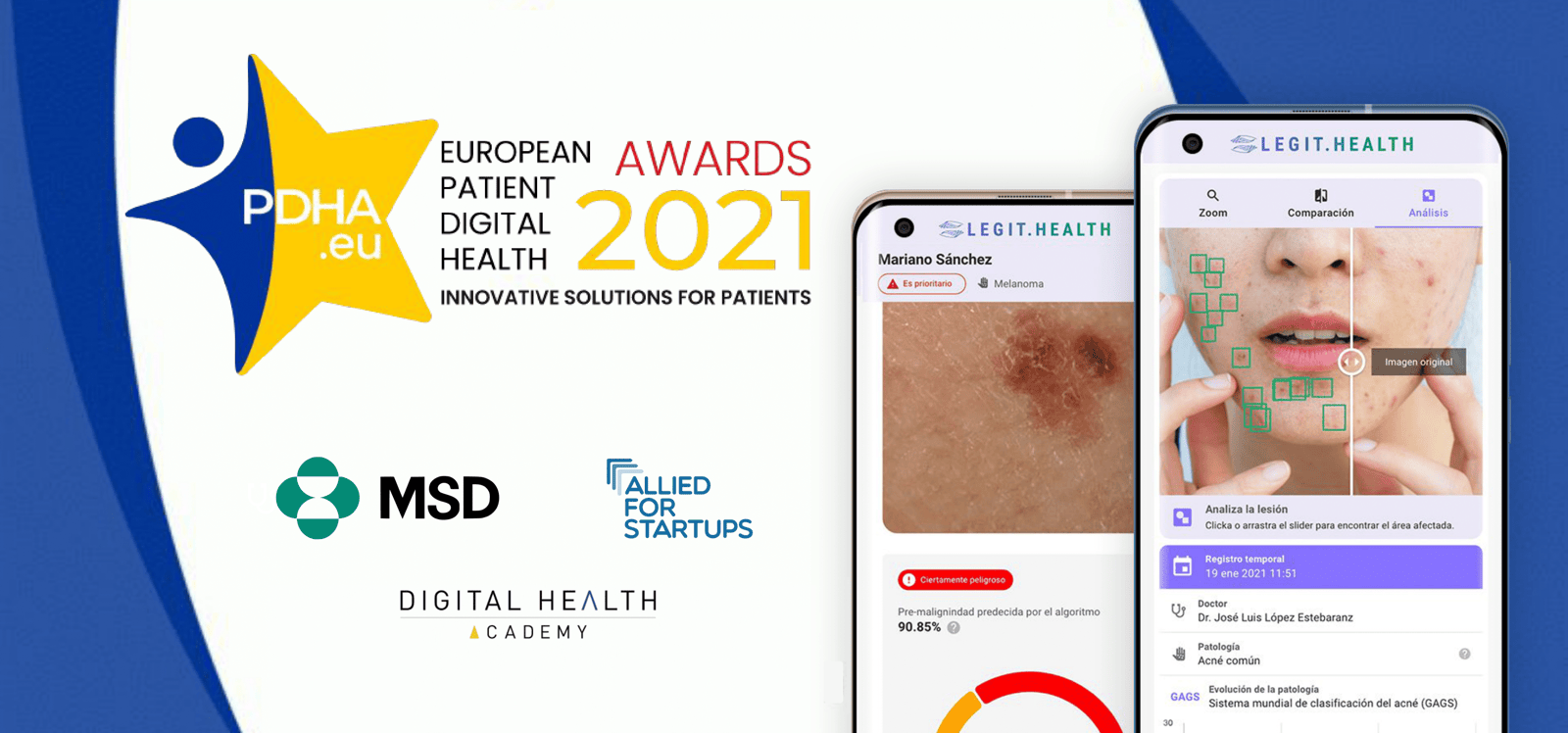
The ceremony attended by European technology executives aims to promote digital innovation.
The European Patient Digital Health Awards (PDHA) ceremony, orchestrated by MSD — known for their innovation in COVID-19 treatment —, recently honored Legit.Health for its groundbreaking work in healthcare technology. Marking a significant milestone, Legit.Health is celebrated as the first Spanish company to clinch the PDHA award, a testament to its commitment to transforming patient care through digital innovation.
The communication between doctor and patient is one of the cornerstones of modern medicine, after all, the patient is the only one who really knows about the full extent of the nature of some of their symptoms.
However, this seems to be something some doctors haven't yet mastered, and we think it is worthwhile to ask yourself...
When we try to imagine things in the medical practice that might go wrong and worsen a health problem or cause a new one, the most common cases to think about are surgery related infections, malpractice cases or accidents.
The Transformative Impact of Our AI-Driven Dermatological Technology on Society and Healthcare
Since she was little, Andy Aguilar knew that many things were wrong with her skin. And when she needed doctors, she was met with an ordeal.
She was held back by primary care, and then passed around from specialist to specialist, collecting incorrect diagnosis after incorrect diagnosis and taking the brunt of the consequences of the misguided treatments that came with them as her frustration with her healthcare providers grew. Each new appointment came with its ever-extending waiting period, as her symptoms worsened before her eyes.
That's why she founded Legit.Health, based on her experience as a patient, and with first-hand knowledge of how to fix the system and rescue patients.
This collaboration will integrate Legit.Health's innovative technology into Aptar Digital Health's proprietary digital health platform to better manage and treat skin conditions
Aptar Digital Health, a global expert in Software as a Medical Device (SaMD), digital Patient Support Programs (PSPs) and disease management solutions, today announced a new partnership withLegit.Health, an innovative artificial intelligence (AI)-based medical device (CE-marked) software company, which aims to transform patient care and increase patient adherence to better manage skin conditions.
Legit.Health's state-of-the-art technology, which supports the diagnosis of approximately 300 conditions, including atopic dermatitis, psoriasis and skin cancer, will be integrated into Aptar's Digital Health proprietary platform. Focused on enhancing patient care and increasing patient autonomy, this advanced digital solution will support healthcare professionals (HCPs) to diagnose skin conditions earlier and will enable patients to start sooner on treatment plans to improve their overall quality of life. The solution may also be used to facilitate patient enrolment in clinical trials.
As every year the Ship2B Foundation has recognized, with the seal of social enterprise impact, different startups and companies that develop innovations in the area of health. Among them is Legit.Health, an application capable of detecting skin cancer through a simple photograph taken with a mobile phone. The aim is to create a space to promote technological innovations that help to improve the health and quality of life of people.
In recent years, society as a whole has started to get used to the inevitability of a fully digital world embedding itself in all aspects of life, including healthcare.
And although there are many benefits the applied practice of telemedicine brings, there are also challenges to overcome before we can start to reap the benefits of this novel way of understanding healthcare.
2021 has been a pivotal year for Legit.Health. The company has grown tremendously out of its humble origins, adding to its roster talented and committed professionals that have put their all to make the next chapter of dermatology possible.
The future of skin cancer prevention has arrived thanks to Legit.Health's advanced pre-malignancy estimation tool.
Legit.Health has developed a clinically validated tool that processes smartphone images and automatically analyses them, utilizing the criteria of the top doctors in this field and calculating the pre-malignancy suspicion of any lesion.
The world is in a dire need of creating a more sustainable and efficient healthcare system that delivers value to its patients and improves the overall wellbeing of the entire community it serves.
Value-based healthcare may seem like a novel idea, but it has been around for more than twenty years, helping medical centres, pharmaceutical companies and insurance companies to have the greatest impact on patients while improving cost-efficiency in health care services.
This renowned competition helps encourage projects in the healthcare sector and reminds us of the need to support innovation, very important in times of crisis and pandemia
The Spanish Artificial Intelligence startup Legit.Health and the health insurance company DKV join forces this summer to raise awareness around the dangers of skin cancer.
Every year almost 23 thousands skin cancers are diagnosed in Spain.
Summer is approaching and the cases of skin cancer are increasing. The good weather and high temperatures of the peninsula make many Spaniards go to the beach looking to show off their tanned skin. Forgetting, in many cases, the danger of prolonged exposure to solar radiation.
In an event that will be remembered as a turning point for dermatological science, the 48th congress of the Spanish Academy of Dermatology and Venereology (AEDV) in Bilbao was not only a gathering of minds but also a showcase of cutting-edge advancements in the field. A beacon of progress and resilience, this congress was the first major dermatology event in the post-pandemic era, illustrating the relentless pursuit of medical innovation.
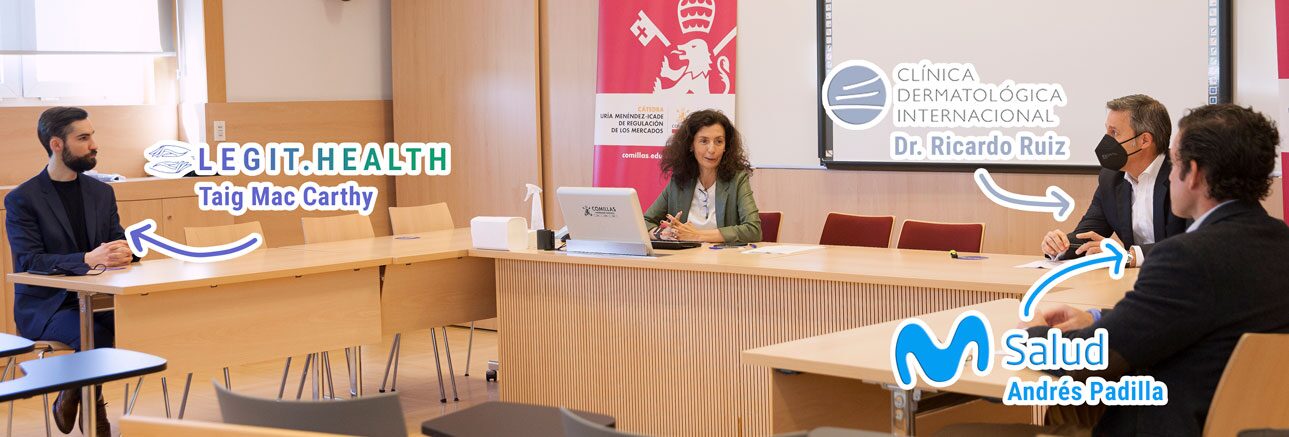
This post is a summary of the event held at Comillas ICADE Law School, focused on the legal aspects of remote medicine.
The Comillas ICADE Law School held the 1st Telemedicine Conference within the Uría Menéndez-ICADE Chair on Market Regulation. The Conference had the participation of representatives of the public and private sectors who have had the opportunity to review the situation of telemedicine in our country.