Atopic Dermatitis Severity Endpoints for Clinical Trials
The AI scoring provided by Legit.Health delivers automated severity assessment for atopic dermatitis (AD) clinical trials, supporting both SCORAD and EASI, the two accepted primary efficacy endpoints in AD drug development.
The device supports interventional and observational studies across all clinical trial phases, from Phase I to Phase IV, as well as real-world evidence (RWE) and post-marketing studies. Its diagnostic support capability also assists patient pre-screening during recruitment.
Eczema Area and Severity Index
Global EASI 14.8
SCORing Atopic Dermatitis
Global SCORAD 49.1
Objective 35.1 + pruritus 8 + sleep 6 (patient-reported)
Timestamp
9/4/2026, 5:44:20 AM
Analysis performed in
1.8 seconds
Extent: body surface area
Whole-body extent measured from 4 full-body perspectives
Affected surface 18.24%
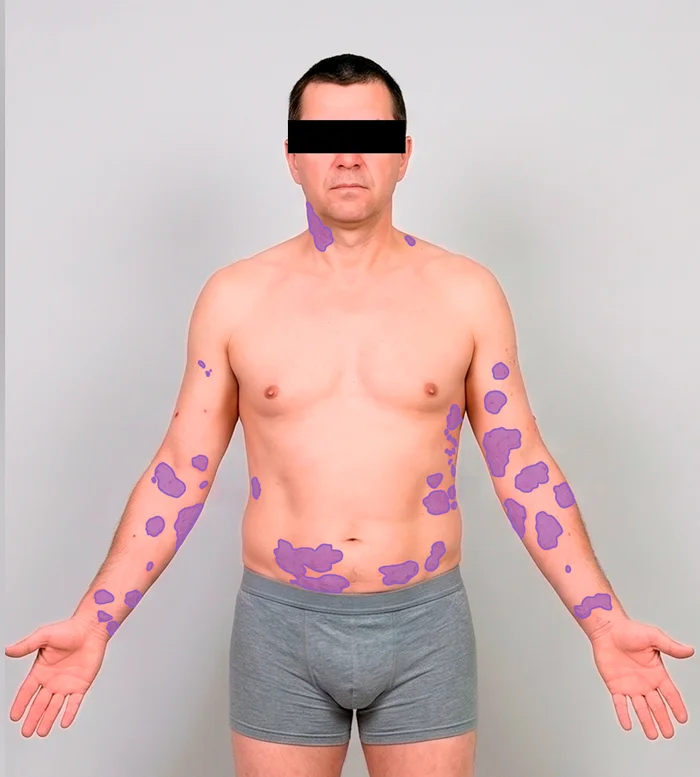
Head & trunk, front
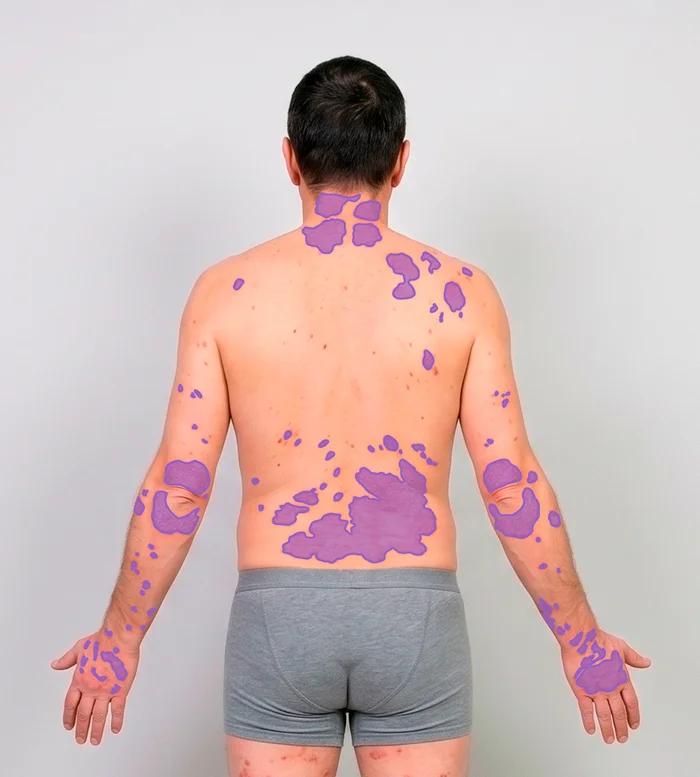
Head & trunk, back
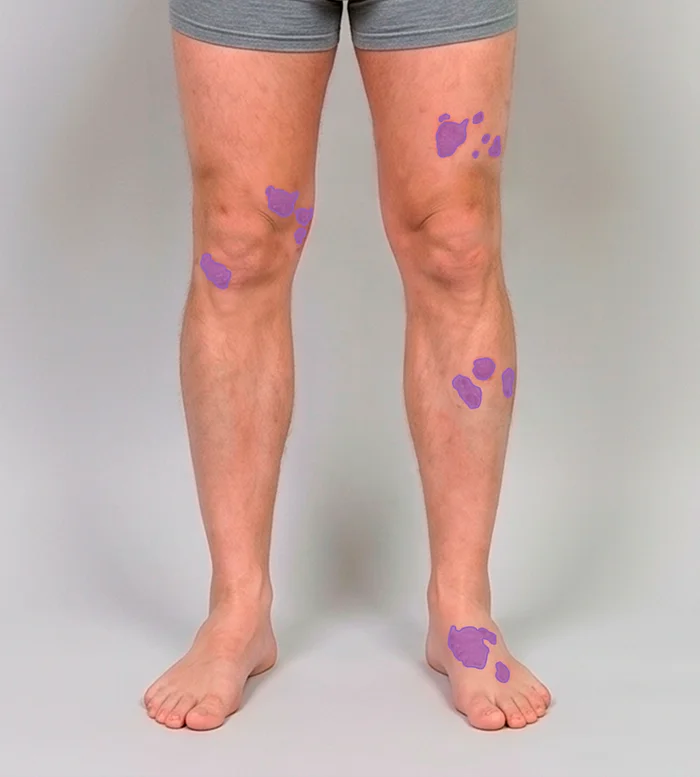
Legs, front
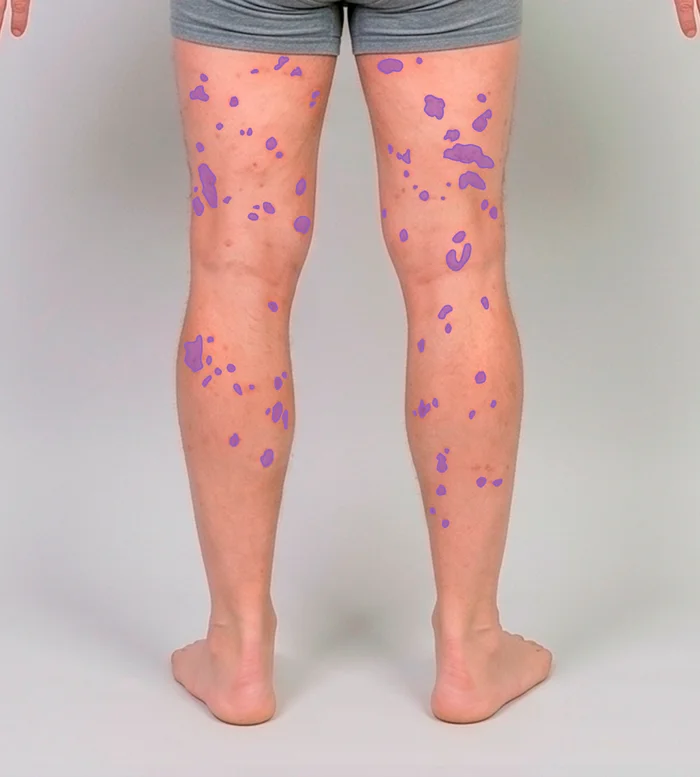
Legs, back
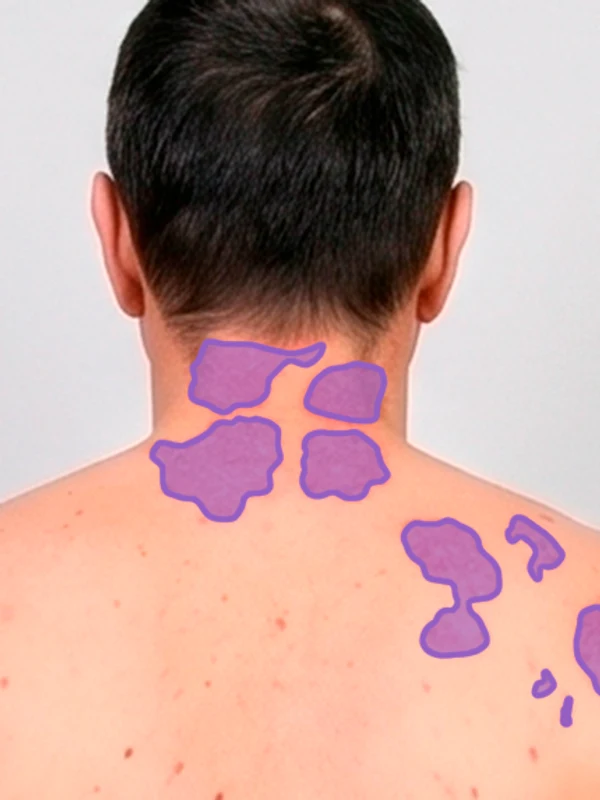
Body region
Head
Image quality
92%
Local EASI
1.0
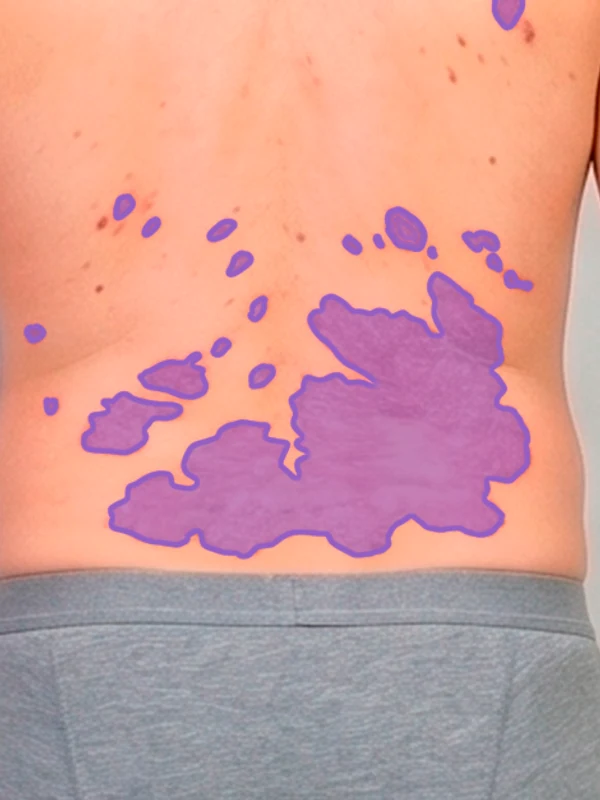
Body region
Trunk
Image quality
89%
Local EASI
4.2
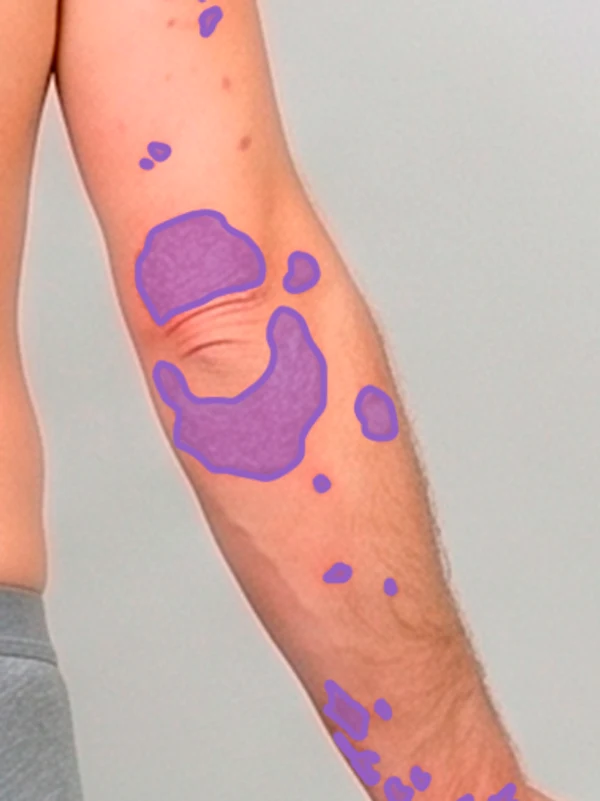
Body region
Upper extremities
Image quality
91%
Local EASI
2.4
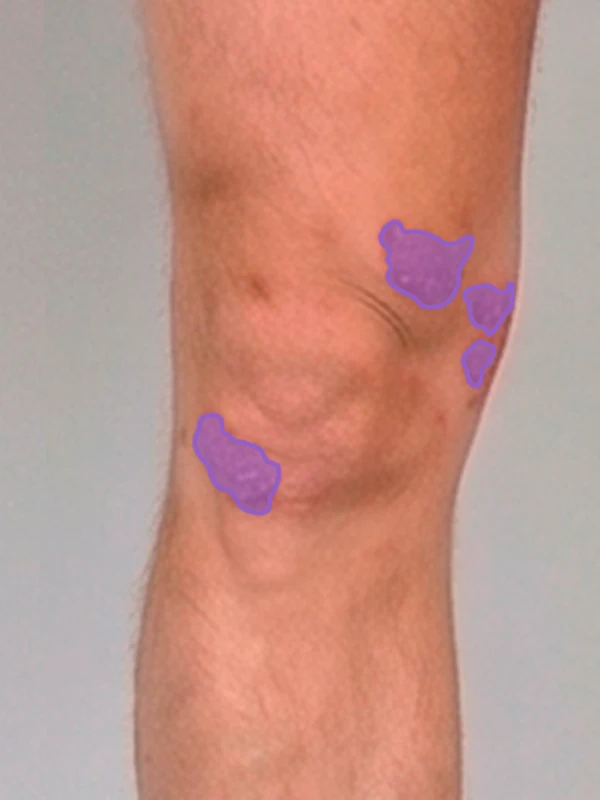
Body region
Lower extremities
Image quality
88%
Local EASI
7.2
These automated scores are backed by peer-reviewed validation; see Clinical evidence.
The example images on this page are synthetic dermatology imagery used for illustration; they are not patient records.
Why automated AD scoring for clinical trials?
Manual SCORAD and EASI require a dermatologist to estimate affected body surface area (BSA), score intensity signs on each affected area, and (for SCORAD) record two subjective symptoms from the patient. Inter-rater variability in BSA estimation and intensity scoring is the primary source of noise in AD endpoints.
The AI automates the objective components of both scoring systems:
- BSA (Body Surface Area) estimation: Pixel-level segmentation of affected skin across all photographed body areas
- Intensity scoring: Six objective signs for SCORAD / four signs for EASI (erythema, swelling, crusting, excoriation, lichenification, dryness), each scored 0–3 per the relevant methodology
- DIQA (Dermatology Image Quality Assessment): Image quality assessed before scoring; substandard images flagged for recapture
For SCORAD, subjective components (pruritus NRS 0–10 and sleep disturbance NRS 0–10) are collected via patient-reported outcome instruments and combined with the AI objective score to produce the total SCORAD.
Endpoint capabilities
The AI provides two scoring systems, each configurable per study protocol:
Extent/5 + 7 × (six-sign sum)/2
Objective + subjective (pruritus + sleep)
Eczema Area and Severity Index
Erythema, swelling, excoriation, lichenification
Area-weighted across head, trunk, arms and legs
Both SCORAD and EASI are accepted primary efficacy measures in AD clinical trials. SCORAD includes a subjective component (pruritus + sleep), while EASI is purely objective. The Legit.Health platform supports both.
How the AI works
The scoring pipeline processes each set of body area photographs in two stages:
Stage 1: BSA segmentation
A deep learning segmentation model identifies affected skin at the pixel level in each photograph. The segmentation output determines the percentage of the visible body area affected by eczema.
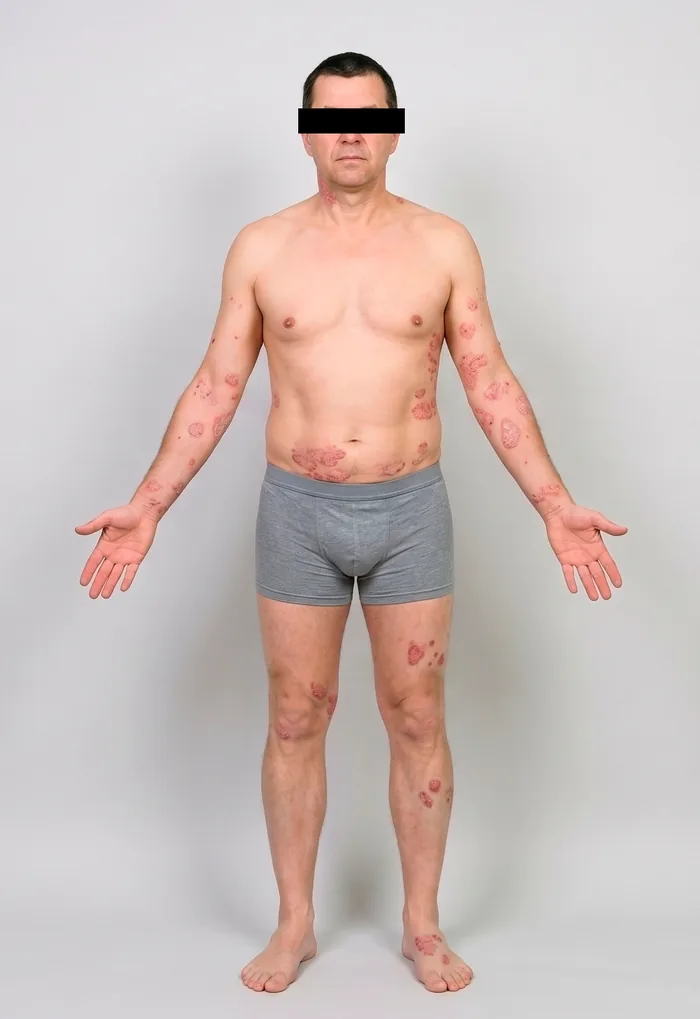
Input: body area photograph

Body detection: body isolated from the background

Output: affected area at pixel level
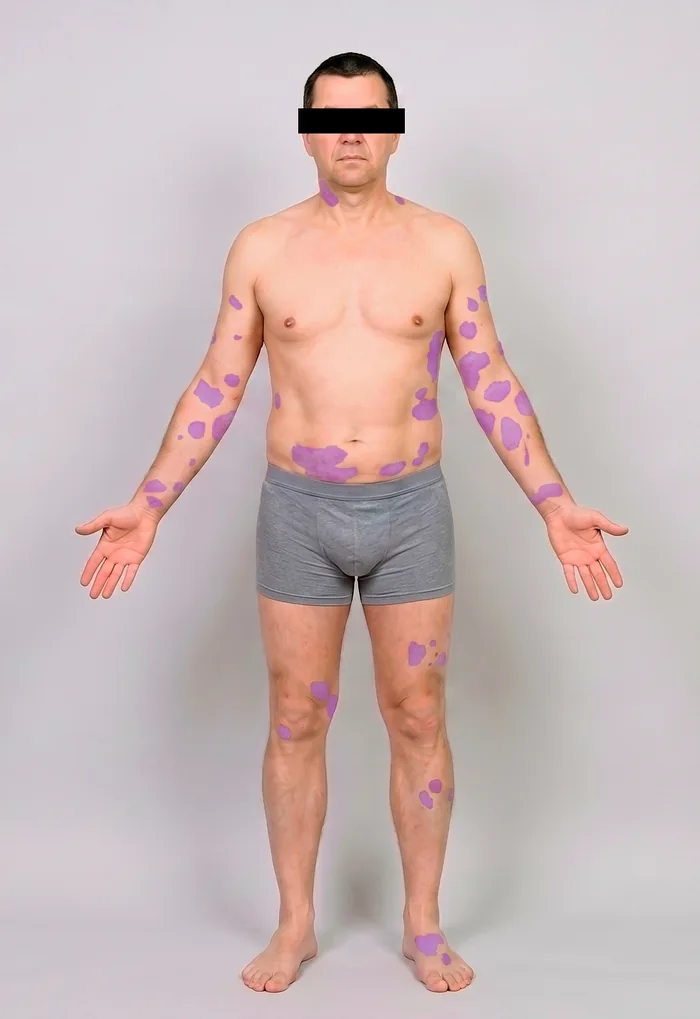
Combined: segmentation overlaid on photograph
Stage 2: Intensity sign scoring
For each affected area, a dedicated AI model scores six clinical signs independently on a 0–3 scale, giving an intensity total from 0 to 18:
Erythema
Redness of affected skinSwelling
Raised papules and puffy skinCrusting
Weeping or crusted lesionsExcoriation
Scratch marks from pruritusLichenification
Thickened, leathery skin from chronic scratchingDryness
Xerosis of uninvolved skin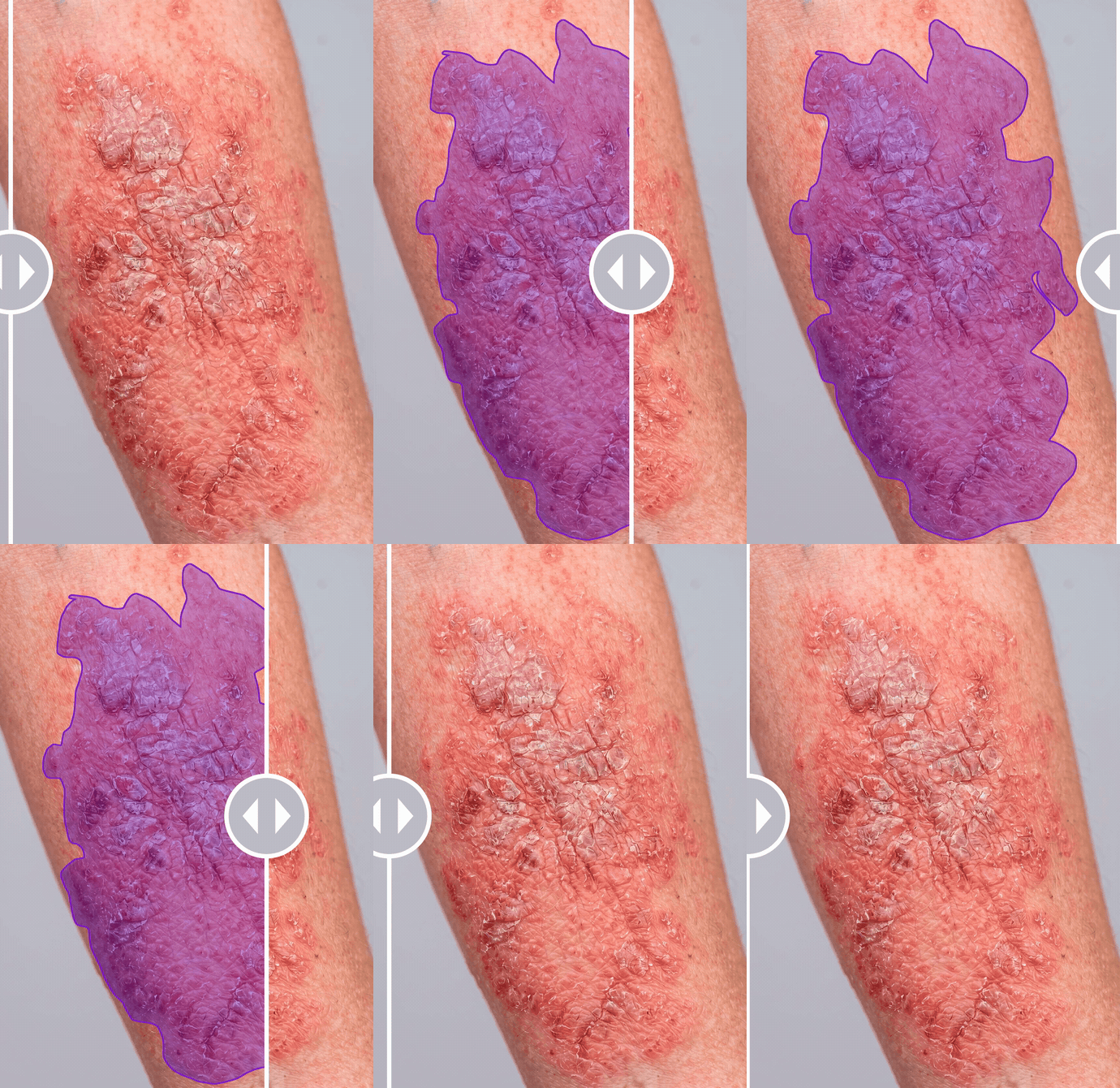
Automated analysis of an atopic dermatitis lesion: pixel-level segmentation and sign-level scoring
Longitudinal severity tracking
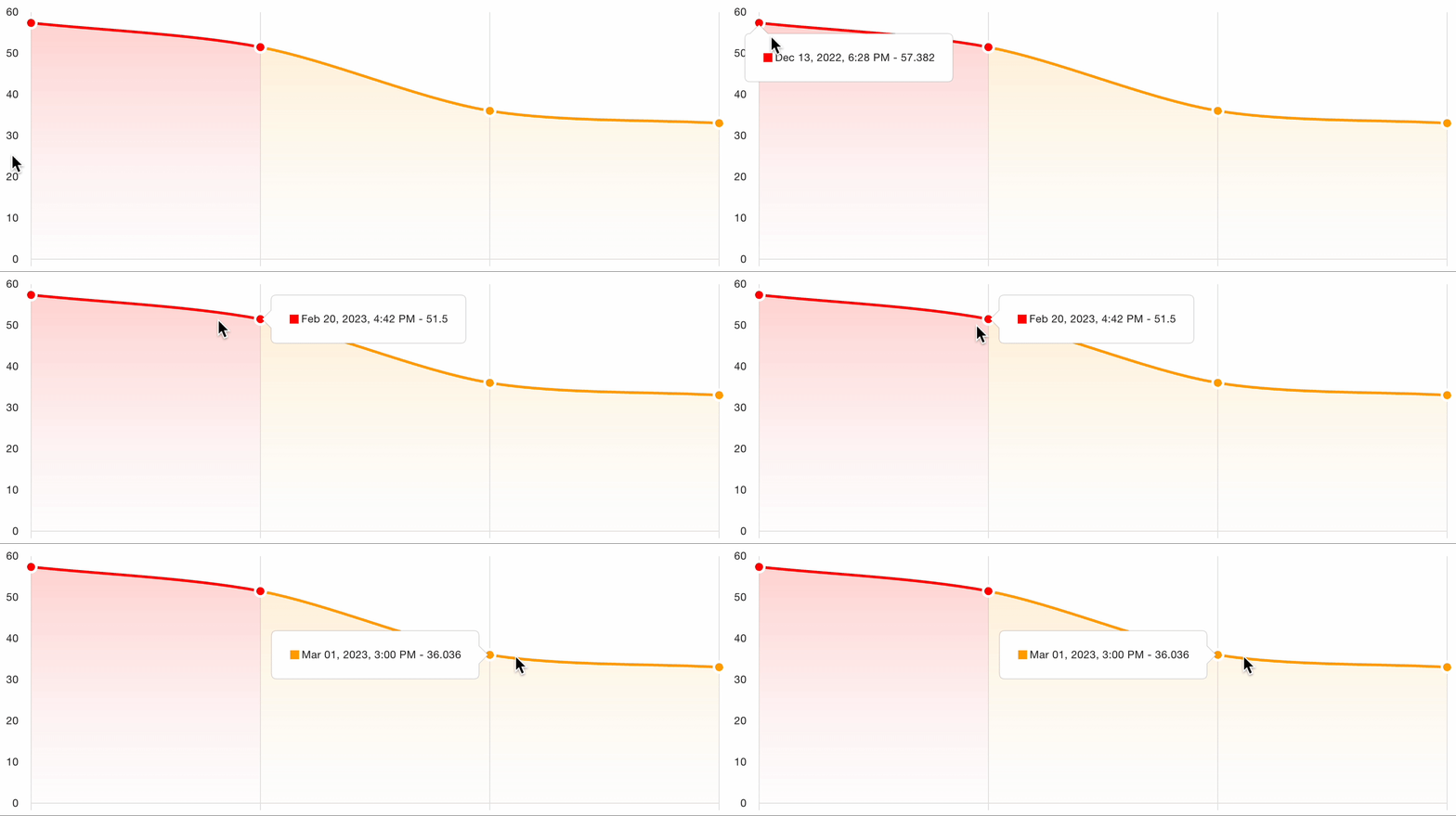
From the follow-up visits onward, the same report shows how severity evolves across the study:
- SCORAD and EASI trajectory: absolute and percentage change from baseline at each visit, from screening to end of study
- Per-sign trends: which intensity signs are driving improvement or worsening
- BSA change: how the extent of affected area evolves over time
- Protocol adherence: whether assessments are captured at the correct intervals
For follow-up visits, the platform charts this severity evolution across all assessments for the patient:
The platform provides automated severity scoring as decision support. Scores are interpreted by qualified healthcare professionals within the patient's overall clinical context; the platform does not replace clinical judgement or make autonomous diagnostic decisions.