Empower primary care, and shorten the waiting list for dermatology.
Public health systems use Legit.Health to support family doctors and nurses in the consultation, to refer only the patients who need a specialist, and to order the dermatology waiting list by need. Most combine several workflows; this page follows the one most start with, triage in primary care.
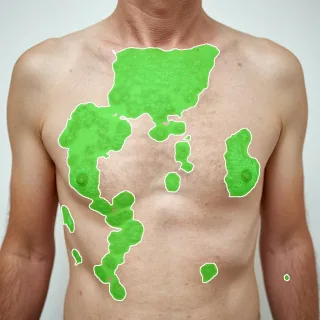
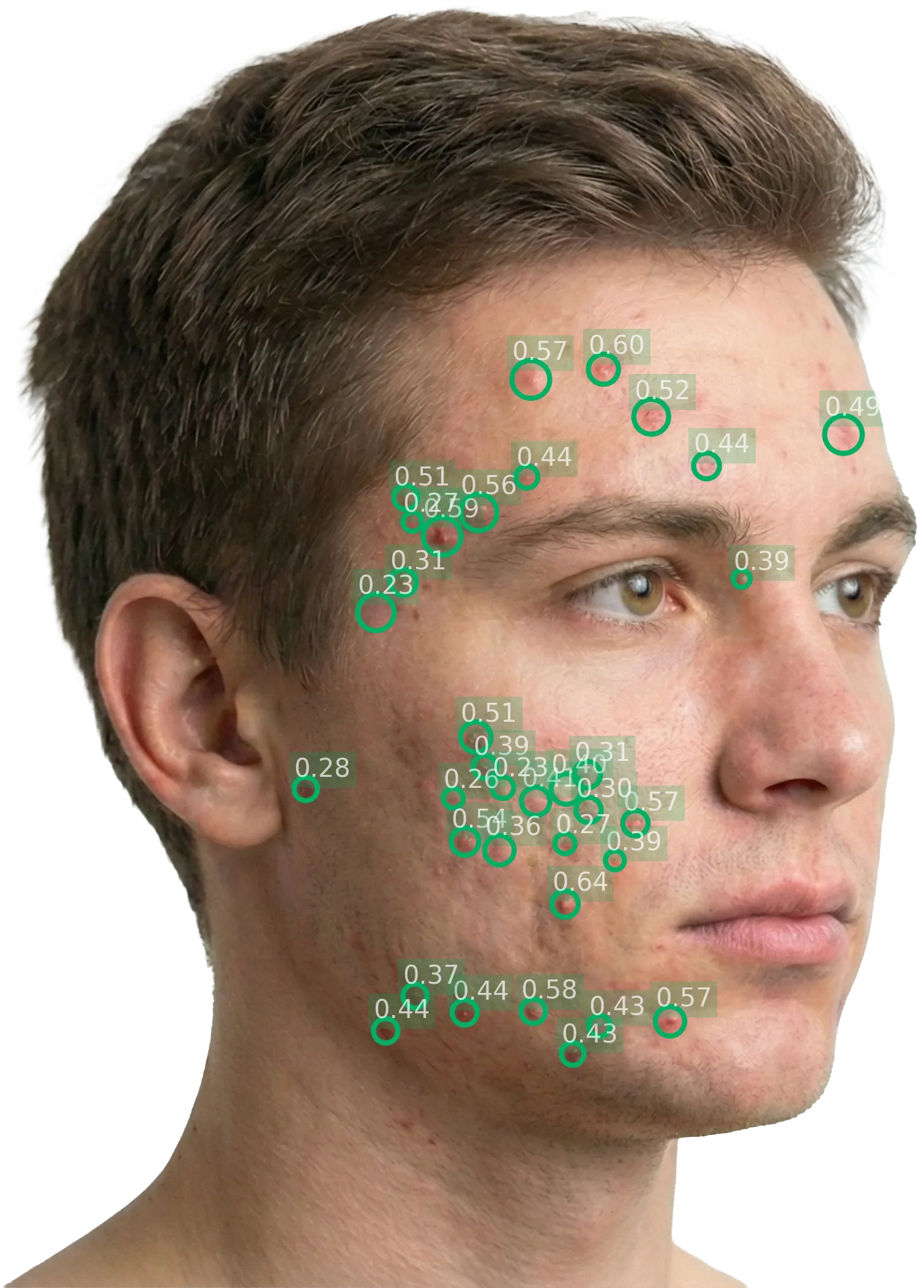
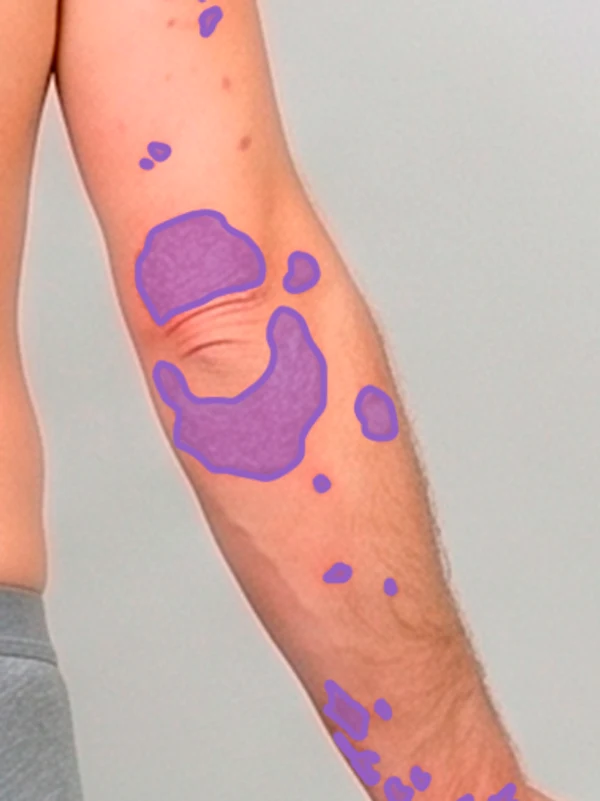
The workflows they combine
Six workflows thanks to a single image capture.
Public health systems rarely use Legit.Health for one thing alone. The nurse or GP photographs the lesion once, during the consultation, and the clinical report that capture produces serves every workflow below: the decision in the room, the referral, the case's place on the waiting list and the dermatologist's review, without bringing the patient back or photographing the lesion again. Most systems start with one of them, usually triage in primary care, and add the others on the same integration as they go.
Primary care that resolves more
A ranked differential at the family doctor's side, so more cases are managed without a referral.
Only the patients who need a specialist are referred
Each case carries the need for referral, so dermatology sees the patients who need it, with the right urgency.
Waiting lists ordered by need
The dermatology list is sorted by clinical priority instead of by date of arrival, so the longest waits fall on the mildest cases.
Serious conditions seen first
Suspected malignancy and urgent cases reach a specialist ahead of the queue, whatever the disease.
Rare diseases recognised sooner
Help naming conditions a family doctor may see once in a career, such as generalized pustular psoriasis. See the study
Teledermatology without the back-and-forth
The quality check refuses photographs that cannot be assessed, and every case arrives documented, so the dermatologist can decide at first sight.
Who is in the loop
Who does what.
Primary care takes the photograph and makes the call; dermatology receives only the cases that need a specialist. Each reads the part of the report they need.
- The patient: comes to the health centre as always. Nothing new is asked of them except a photograph.
- The nurse or GP: takes the photograph inside the record system, reads the report and decides: treat here, or refer, and how fast.
- Legit.Health: returns the ranked differential, the referral and malignancy indexes, and the severity score when the condition has a validated scale.
- Dermatology: receives the cases that need a specialist, already photographed, scored and prioritised.
One workflow, step by step
From the consultation to the right level of care.
Triage in primary care, the workflow most health systems start with: five steps from the photograph in primary care to a decision on where the patient is treated, and how.
- The photograph, in the room: The clinician opens the app inside the record and photographs the lesion with on-screen guidance. The quality check refuses a photograph that would not support a report.
- The report, in seconds: Differential, indexes and severity appear on screen and are filed against the patient's visit.
- The referral question: A high malignancy index puts the case on the fast track for suspected skin cancer. A high referral index, or an uncertain differential, sends it to dermatology. The clinician confirms each referral, and the rest stays in primary care.
- The treatment question: For a case that stays, the severity score tells the clinician how severe the condition is, which informs the treatment they choose or whether to ask for a specialist opinion after all. The same score at the next visit shows whether the treatment is working.
- The queue, in order: Referred cases carry their indexes, so the dermatology list can be sorted by urgency and a specialist can review the photographs before anyone travels.
What Legit.Health contributes
The fields this workflow reads.
Whether a case stays in primary care or goes to a specialist is decided by the clinician, with values in the report checked against thresholds the health system sets itself.
The rule for triage in primary care, from the integration guide: a malignancy index above its threshold goes on the fast track; otherwise a referral index above a threshold, or entropy above a threshold, refers; otherwise, if a validated scoring scale applies and the sign intensity is above its threshold, refer; otherwise the case stays in primary care. Thresholds are the health system's own, and the clinician confirms each referral. For the wider picture, read the ten essential features for a public health system.
How it works
- The malignancy index opens a fast-track pathway for the few lesions that need it.
- The referral index and entropy flag the cases a GP should not decide alone.
- The severity score helps separate a case primary care can manage from one that needs a specialist.
- Every report is filed against the patient's visit, so your record can compare one visit with the next.
Who runs it this way
Regional health services with primary care at the front door.
Regional health services such as SESPA in Asturias, SALUD in Aragon and SERMAS in Madrid already triage this way in primary care. The app takes you there, with its API carrying each report into your systems.


Planifions unedémonstration en direct
Legit.Health est la solution d'intelligence artificielle tout-en-un avec des performances ultra élevées, des fonctionnalités exclusives et un soutien clinique.