Who uses Legit.Health, and what for.
Legit.Health returns one report, and organisations build many workflows on it, often several at once. We arrange them here by the three kinds of organisation we work with, knowing that most of what one does, another does too.
What it is used for
Eight ways to get more from every photograph.
Every workflow below starts from the same report, and most organisations combine several. Each one says who relies on it most.
Primary care that resolves more
A ranked differential at the family doctor's side, so more cases are managed without a referral.
Used most by public health systems.
Only the patients who need a specialist are referred
Each case carries the need for referral, so dermatology sees the patients who need it, with the right urgency.
Used most by public health systems and health insurers.
Waiting lists ordered by need
The dermatology list is sorted by clinical priority instead of by date of arrival, so the longest waits fall on the mildest cases.
Used most by public health systems.
Serious conditions seen first
Suspected malignancy and urgent cases reach a specialist ahead of the queue, whatever the disease.
Used most by public health systems and health insurers.
Rare diseases recognised sooner
Help naming conditions a family doctor may see once in a career, such as generalized pustular psoriasis. See the study
Used most by public health systems.
Teledermatology without the back-and-forth
The quality check refuses photographs that cannot be assessed, and every case arrives documented, so the dermatologist can decide at first sight.
Used most by public health systems and health insurers.
Care that starts at home
Patients and members photograph the lesion on their own phone, guided step by step, without a trip to the clinic.
Used most by health insurers and private clinics.
Treatment response, measured
The same validated severity scale at every check, so a patient who is getting worse is flagged between visits.
Used most by private clinics.
Triage and empowerment
Public health systems
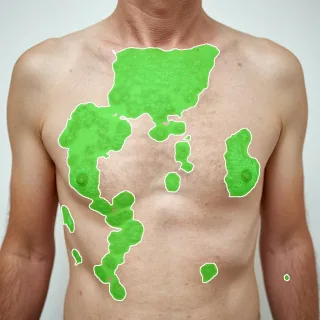
Public health systems use Legit.Health to empower primary care doctors, improve triage and reduce dermatology waiting lists. Family doctors and nurses photograph the lesion in the consultation and manage more cases themselves; the cases that need a specialist are referred in order of need, and teledermatology receives them complete. The triage board below is one example.


Quality of care
Health insurers
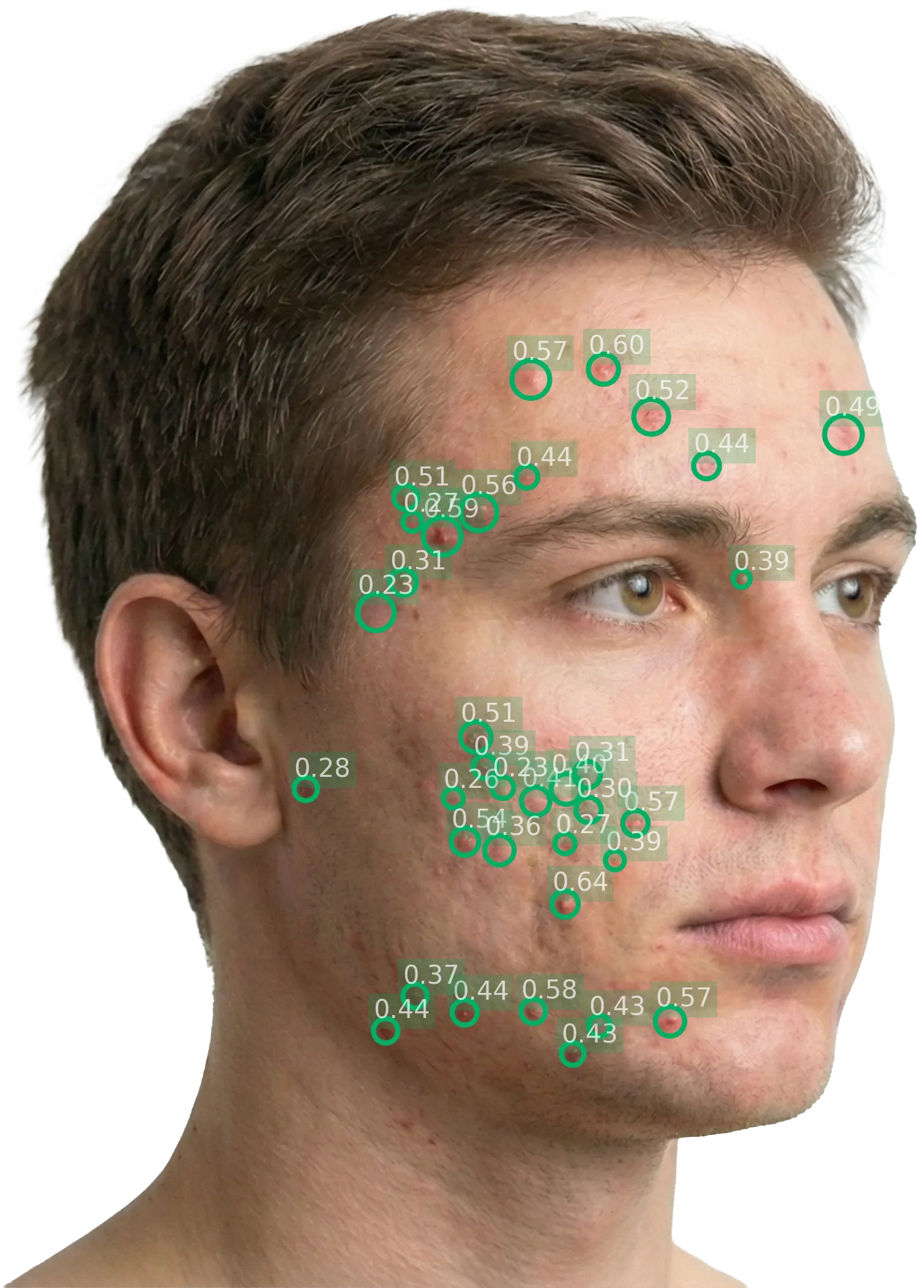
Insurers use Legit.Health above all for the quality of care: each member sees the right specialist at the right time, and care can start at home. Many workflows overlap with a public health system's, triage and teledermatology among them, with the member often taking the photograph on their own phone inside the insurer's app. The member's skin check below is one example.



Continuity of care
Private clinics
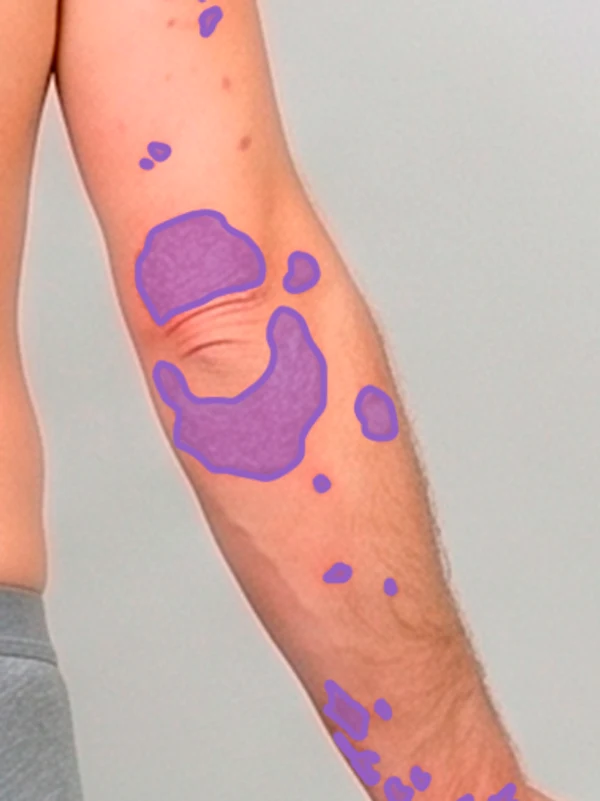
Private clinics use Legit.Health to follow their patients between visits and to measure the response to treatment the same way every time. The patient photographs at home, the validated scale is scored on each photograph, and the clinic's record flags a patient whose score has risen. The follow-up chart below is one example.

Planifions unedémonstration en direct
Legit.Health est la solution d'intelligence artificielle tout-en-un avec des performances ultra élevées, des fonctionnalités exclusives et un soutien clinique.